Collections built around moods, not categories.
Pick the feeling you actually showed up with. The shelf rearranges itself.
Still Voice
Take one slow breath. Then choose how you are arriving.
Three quiet modes
For a little room to settle.
A quieter corner of your phone.
A poem, a painting, a piece of music made by someone who got there before you. We hand you one, read it to you, and leave you alone with it.
Keep going, it is shortDaily reflection
Two quiet things
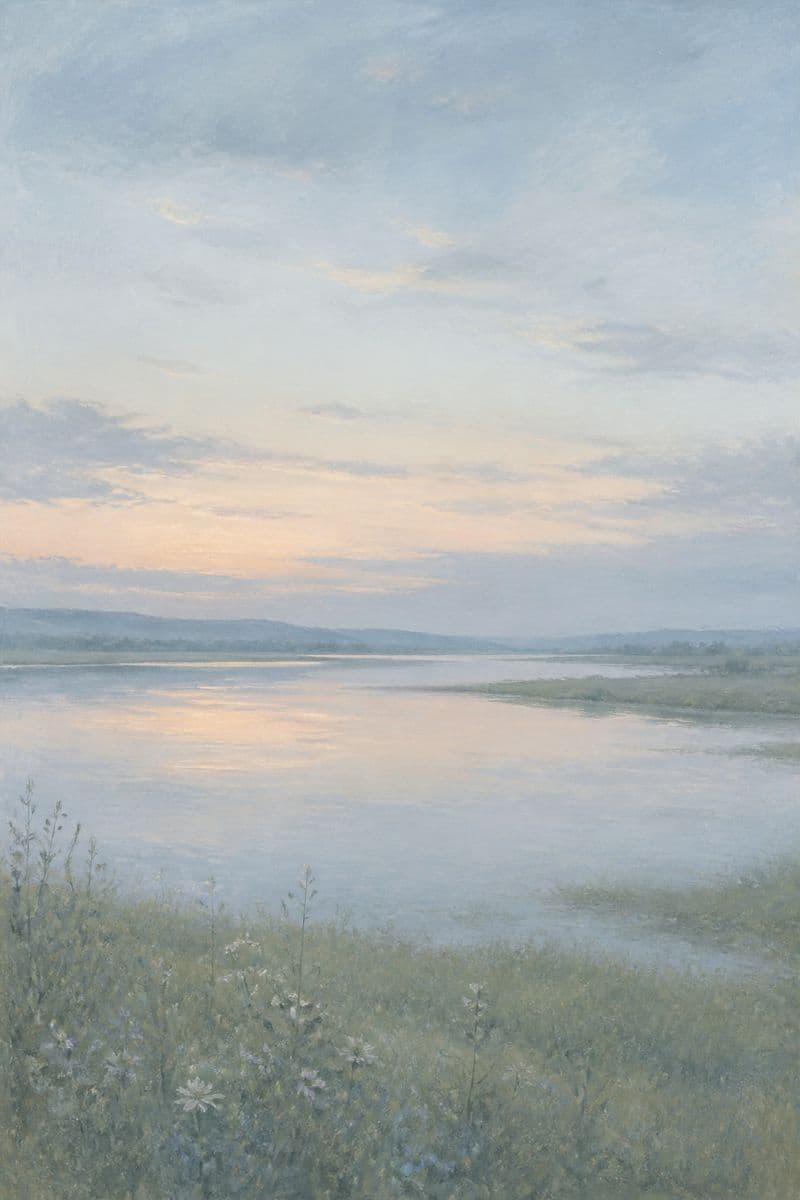
Today's poem
W. B. Yeats
And I shall have some peace there,
for peace comes dropping slow —
Painting bed · still water
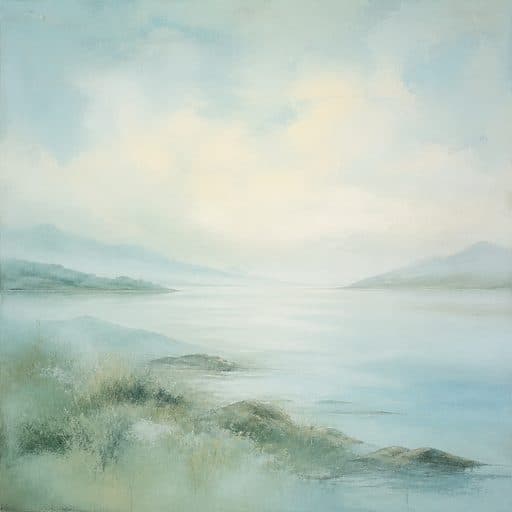
A little sound
Serene View
Arulo · 2 min
Two things for how you arrived. Read the page. Play if you want sound.
Before we start
Drag it. This is roughly how the app opens.
Move across the feeling
QuietNothing gets saved here. This one is just for you.
Then we would hand you
poem
No time to stand and stare
W. H. Daviesread aloud · 2 min
painting
Moon over summer grass
After Hiroshigesit with · 5 min
music
Soft Horizon
Prabajith Klisten · 3 min
What is inside
Pick the feeling you actually showed up with. The shelf rearranges itself.
Real voices, recorded slowly. Put your phone down and listen.
Write a line or a paragraph. It stays yours, and it stays private.
Keep what landed. Come back to it on a worse day.
Under clinical consultation
These are well established self-help workbooks for low mood, anxiety, OCD and emotions that get hard to hold. We are going through them with licensed psychotherapists and clinicians before we say anything about them. Still Voice does not run these programs. We make quiet space and human art. The workbook part belongs with a professional who actually knows you.
How this kind of workbook works
McKay, Wood and Brantley
You work through four sets of skills: staying present, getting through a bad hour without making it worse, handling big feelings, and asking for what you need. Each one has worksheets, plus a daily card where you tick off what you actually used.
None of this is clinical advice from Still Voice. We are reviewing these titles with licensed psychotherapists, psychiatrists and doctors. We did not write them, we cannot prescribe them, and nothing here stands in for real care. If you are in crisis, please contact a professional or a local helpline.
No generated paintings, no synthetic poems, no machine voice pretending to care. If a person did not make it, it does not go in.